Sign-off message
“Logging off for today; back online tomorrow at nine.” Clear, neutral, no guilt trip.

After work
When your laptop lives in the same room as your dinner table, the border between on duty and off duty can blur until late evening still feels like a workday. After work is not a spa ritual; it is a short sequence of reliable cues that tell your brain the payroll part of the day is finished. In New Zealand, where daylight shifts sharply between seasons, those cues should be simple enough to keep in winter and light enough not to feel punishing in summer.
We focus on comfort and routine, not promising sleep. If you have insomnia, shift work, or night-time caring, adapt these ideas with help from a professional—this page is not a fix.
Start with something you can stick to: tell teammates you are logging off, close the work laptop, and write tomorrow's first task so morning-you is not surprised.

Step by step
Minute zero to fifteen: send a short handover if needed, mute work chats, and write tomorrow's first task on a note. Do not open "just one more" ticket.
Fifteen to forty-five: change scene—another room, a shower, a walk, or non-work clothes. If you stay in one room, cover the screen and hide the keyboard. A lamp that only goes on after work can signal "home time."
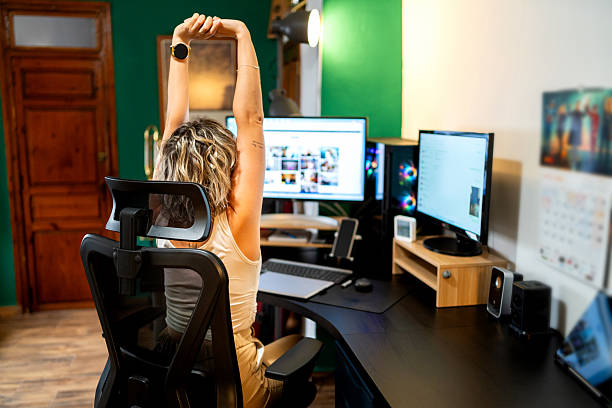
Forty-five to ninety: do something calm you already like: paper book, cooking, talking with family, or gentle stretching. Put your phone on do-not-disturb except for people you agree on.
Techniques
“Logging off for today; back online tomorrow at nine.” Clear, neutral, no guilt trip.
Enable night warmth on screens after your chosen cut-off; pair with desk lamp off.
Place work items in a box or drawer so the table can host dinner without negotiation.
If leadership emails after hours, respond next business day unless your role genuinely requires otherwise. Culture changes when boundaries are modelled from the top, not only from individual discipline.
Staying safe
Walking after work is helpful for many people, but choose well-lit routes, visible clothing, and footwear with grip. In Rotorua and other centres with variable weather, check forecasts before committing to long outdoor loops.
If you use candles or heat packs for relaxation, follow manufacturer instructions and never leave them unattended. If evening stretching causes dizziness, stop and seek appropriate assessment rather than pushing through.
FAQs
Agree core overlap hours and asynchronous updates. Protect at least one offline block that is non-negotiable for you.
If possible, keep bed for rest. Phones in another room reduce accidental scrolling; use an alarm clock if needed.
We describe general evening routines only, not sleep outcomes. Persistent sleep difficulty should be discussed with a registered health professional.