
Tips for NZ desk workers
Simple desk-work habits for a steadier day
We help you plan a typical office or home-work day in New Zealand: when to focus, when to move, what to eat and drink, and how to switch off. These are everyday ideas you can try, change, or skip. They do not replace advice from a registered health professional.
Start here
What we mean when we say "energy"
Feeling tired at 3 p.m. is common. It often comes from too little sleep, coffee timing, screen strain, skipped meals, or a heavy mental load—not because you are "failing." We talk about energy in plain words and focus on small habits that fit a desk job, not medical labels.
Many of us now work from home some days, sit through more video calls, and walk less without noticing. A steady day often comes from simple structure: regular breaks, realistic tasks, and a clear stop time. If something here does not fit your job, family duties, or health needs, leave it out and keep what helps.
We draw on well-known research about sleep timing, sitting too long, and taking real breaks—but we explain it in everyday language. Nothing here is a personal prescription for you.
- Steady beats frantic
- Keep it simple
- Your choice always

Your day
How to spread your energy across a normal workday
Look at your calendar as blocks of work, not just meetings. Mark which hours need deep focus and which are for calls and quick tasks. Notice if you stack hard meetings in a row. A five-minute pause after a tough call can help you start the next task with a clearer head.
For many desk jobs in New Zealand, the first part of the morning is good for one important task before interruptions pile up. Mid-morning suits meetings and teamwork. After lunch, stand up, get some light if you can, then tackle steadier work like spreadsheets or admin. Late afternoon is a good time to plan tomorrow, file notes, and answer email at a calmer pace.
We are not promising specific results—just a plan you can try for two weeks, see how you feel, and adjust. For a step-by-step timetable, open our Plan your day page.
- Open: ten minutes to settle in, drink water, and pick one main task.
- Build: two focus blocks with a short walk or stretch between them.
- Steady: meetings, teamwork, and walking when you can.
- Close: tie up loose ends and dim screens early enough to switch off.
Things to try
Simple habits people find easy to try
Every twenty minutes, look at something about six metres away for twenty seconds. It breaks up screen staring. Add a shoulder roll and a sip of water so one reminder covers eyes, body, and hydration.
Before a hard task, name the very first small step—open the file, read the summary, write one heading. That makes big jobs feel less overwhelming. Teams can also agree a short daily "quiet hour" for focus if managers support it politely.
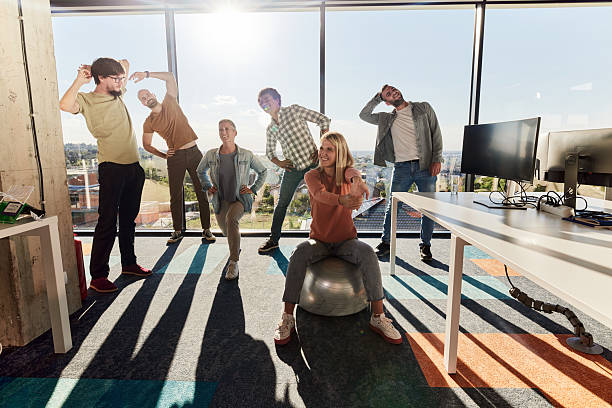
If you lead a team, take breaks openly. A five-minute stretch between meetings helps more than a yearly wellbeing poster. Always make breaks optional—people have different bodies and needs.
What research often suggests
Common findings, in plain language
Studies often show that standing or walking for a few minutes after lunch can help the body handle food better than sitting non-stop. In real offices, building layout and job type matter. We mention this to encourage a short walk after lunch—not to promise a specific result for you.
Going to bed and getting up at roughly the same times often helps people feel more stable. Life with kids or shift work makes that hard—aim for "close enough" rather than perfect.
Even mild dehydration can make it harder to concentrate for some people. Keep a bottle you like, refill before meetings, and drink water with coffee. If a registered health professional has set fluid limits for you, follow their advice instead of these tips.
Staying safe
Stay safe while you try these habits
Short movement breaks should fit your workplace rules and shoes. Stop any stretch that hurts. On walking calls, watch for cables and traffic. In hot Rotorua summers, drink water and use shade if you go outside at midday.
Set your screen so the top is near eye level, keep elbows relaxed at the keyboard, and reduce glare with better light. If work offers a desk assessment, use it. At the dining table, a cushion or footrest can make a big difference over time.
Your comfort matters at work too. If "wellbeing" talk feels like monitoring, raise it with HR or your union. Good habits should always be your choice.
- Stop any drill that causes pain, numbness, or dizziness.
- Respect manual handling rules; ask for help with heavy loads.
- Report hazards early; prevention is cheaper than recovery.

Upcoming sessions
Free sessions in Rotorua (examples)
These are example dates for small, friendly sessions in Rotorua (NZ time). Places are limited. This is conversation and habit ideas—not a medical service.
| Date | Topic | Format |
|---|---|---|
| Thu 5 Jun 2026, 12:30 | Quick desk refresh | 30-minute live walkthrough |
| Tue 17 Jun 2026, 17:15 | Switching off after hybrid work | 45-minute panel Q&A |
| Wed 2 Jul 2026, 09:00 | Drinking water without guilt trips | 20-minute briefing + worksheet |
Confirm attendance through the contacts page so we can send preparation notes and accessibility questions ahead of time.
Transparency
Information for visitors from advertisements
If you reached this page through an online ad, here is what you should know before you read further:
- Who we are: Brightgrowbones.site is a Rotorua-based publisher of free desk-work habit articles. About us lists our address, phone, and email.
- What we sell on this site: No medicines, supplements, or medical devices. Optional paid workshops are educational only and disclosed before registration.
- What we do not claim: We do not diagnose, treat, cure, or prevent any disease; we do not promise weight loss, cures, or guaranteed energy levels.
- Policies: Privacy, Cookies, and Terms are linked in the footer on every page.
Content describes general workplace habits (breaks, scheduling, food and drink at work, evening routines). It is not a substitute for medical, psychological, or dietetic advice tailored to you.
FAQs
Questions people ask us
Do I have to follow the day map exactly?
No. Treat maps as experiments. Change one variable at a time, keep notes for a week, and decide what is worth keeping.
Is this site affiliated with a clinic?
No. Brightgrowbones.site publishes general lifestyle information only. We are not a clinic or pharmacy. For personal health questions, contact a registered health provider in your area. See About us for full business details.
How do you handle privacy?
Read our Privacy policy and Cookie policy. You can adjust non-essential cookies through the site banner.
Can my employer reuse this content?
Please link to our pages rather than copying long sections, unless you have written permission. Short quotations with attribution are usually fine for internal education.
Why does this site mention “habits” and “energy”?
We use everyday words for how people feel during a desk day (focus, tiredness, comfort). We do not use these words to suggest medical treatment or guaranteed physical results.
Is there a physical address I can verify?
Yes: 1230 Fenton Street, Rotorua 3010, New Zealand. Phone +64211399487. See Contact us.
Next step
Try one small habit for two weeks
Pick one idea from this page—maybe a mid-morning walk or a water reminder—and notice how you feel. Small repeats beat big bursts. Want a guided session? Contact us and tell us your time zone and any access needs.
We reply during New Zealand business hours. Overseas messages may wait longer. For privacy requests, email is best.