
Food & water
Eating and drinking without overcomplicating it
Whether you work in Auckland, Wellington, Christchurch, or Rotorua, the pattern is familiar: coffee first, lunch at the desk, then a slump around four. Food timing is not everything, but it affects how awake you feel, how patient you are on calls, and whether you snack from boredom or real hunger.
This is general advice only. If you have diabetes, an eating disorder, swallowing issues, or fluid limits from a registered health professional, follow your care team's plan—not this page.
Start by noticing: do you skip breakfast then drink too much coffee? Is lunch so small that you hit the biscuit tin at four? No judgement—change one thing at a time when you see a pattern.
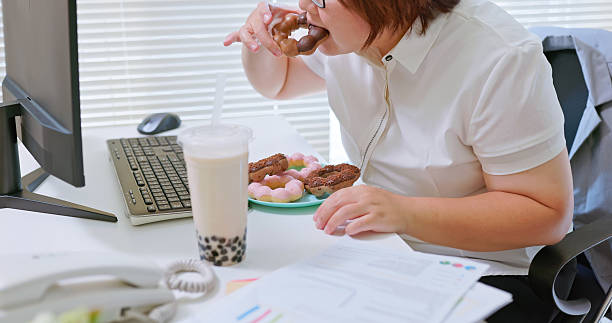
Through the day
How to spread food and drinks through your shift
Some people like protein and fibre at breakfast; others prefer eating later. Try to avoid an empty stomach, three espressos, and back-to-back video calls—that mix often leads to jitters and scattered focus.
Lunch does not need to look perfect on social media. A useful lunch often has veg you enjoy, carbs, and protein you can eat cold or reheat. Respect cultural or workplace food practices first—generic lunch lists are optional.
For most people, plain water is enough. Herbal tea counts. Sparkling water is fine if it suits your stomach. If you run at lunch and sweat a lot, a bit of salt in food may help more than fancy sports drinks—unless a professional tells you otherwise.
-
Coffee timing
Note when you have your last coffee if sleep is a problem; move it earlier slowly.
-
Water reminders
Refill when you stand up; put a mark on your bottle as a reminder.
-
Protected lunch
Block lunch in your calendar so people know you are eating.
Staying safe
Shared kitchens and allergies
Label your containers clearly in communal refrigerators. Clean spills promptly to reduce mould risk in humid climates. If your office provides fruit, wash it. If you bring shared baking, list ingredients visibly so colleagues with allergies can self-select safely.
Never shame colleagues for what they eat—it harms trust and rarely helps anyone.
Upcoming sessions
Upcoming food & drink sessions (general information only)
| Date | Topic | Notes |
|---|---|---|
| Tue 10 Jun 2026 | Reading food labels calmly | Bring a packaged snack you like; we practise neutral observation. |
| Thu 26 Jun 2026 | Water myths vs real office life | Tap water focus; no product sales. |
FAQs
Food and drink questions in plain English
Do I need eight glasses of water?
That number is a rough cultural meme. Sip when thirsty, drink more in heat or exercise, and discuss fluid targets with a clinician if you have kidney or heart conditions.
Is intermittent fasting covered here?
We do not prescribe fasting schedules. If you choose fasting for personal reasons, ensure it aligns with medical advice and workplace safety for your role.
Can children use these tips?
This site targets adults in work contexts. Paediatric nutrition belongs with qualified professionals.